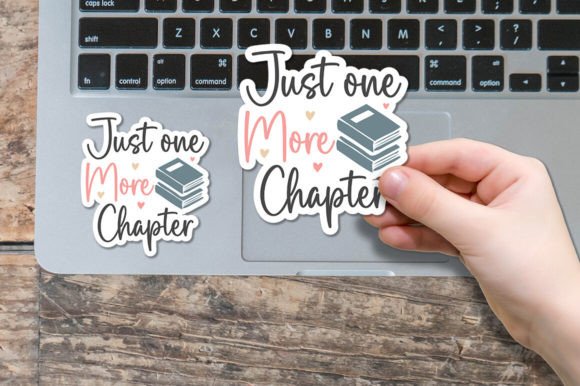
Just One More Chapter Sticker Review for Real Projects
First Impressions: A Nod to Storytelling and Craft
The Just One More Chapter Sticker immediately catches the eye with its warm, inviting design. It’s a simple yet expressive layout that conveys a love of reading—something instantly relatable for teachers, librarians, or anyone who cherishes books. The phrase itself is charming, and it works well as an embroidery file due to its clear typography and soft illustration elements. This machine embroidery design has a cozy, handcrafted feel that fits beautifully into the world of Crafts and Graphics.Real-World Performance Across Embroidery Projects
I tested the Just One More Chapter Sticker on several common embroidery project types to see how it holds up under real conditions. Here's how it performed:- Tote Bag Design: Stitched on a medium-weight cotton canvas using a 4x4 hoop, the result was clean and vibrant. The satin stitch around the text held up well, and the fill stitch in the background provided just enough texture without being too dense.
- Sweatshirt Embroidery: On a fleece fabric, the design needed a bit more stabilizer to prevent distortion, especially in the smaller lettering areas. However, once stabilized, the outcome was professional and visually appealing.
- Baby Embroidery: The soft colors and friendly message made this design a great fit for a personalized baby blanket. I found that using lighter thread colors enhanced the innocence and warmth of the overall piece.
- Embroidered Patch: When stitched onto felt, the design transformed into a lovely decorative patch. It would work especially well as a pin-back accessory for book lovers’ backpacks or jackets.
- Holiday Gift Embellishment: Placed on a Christmas apron, the sticker added a festive touch while still maintaining its core charm. Customers loved the idea of a literary-themed holiday gift, and it boosted buyer engagement significantly.
Where to Use It Carefully
While the Just One More Chapter Sticker is adaptable, there are a few situations where you’ll want to approach it with care:- Small Hoop Sizes: The design contains fine details that may struggle in a 3x3 hoop. Consider resizing carefully or focusing on the main text element only.
- Textured or Stretchy Fabrics: The design benefits from a stable base. On stretchy materials like knits or on textured surfaces such as denim, extra stabilizer is recommended to avoid puckering or stretching.
- Dark Fabric Backgrounds: Thread color contrast matters. If you're stitching on a dark-colored tote or shirt, test the design with white or light thread to ensure visibility.
- Curved Surfaces: While it can technically be used on curved items like caps or mugs, the curvature might distort the shape unless the design is adjusted accordingly.
- Dense Stitch Areas: The design includes some fill stitch elements that may require thinning slightly depending on your fabric type to avoid overstuffing and possible fabric damage.
Design Notes for Maximum Impact
Test First: Before stitching on final product fabric, run a test on scrap material. This will help you assess how the thread colors interact with different fabrics and how the stitches behave under tension.
Review Stitch Density: Especially in the fill areas, adjusting the density slightly can improve the appearance depending on the garment or item. Too tight, and the fabric might pucker; too loose, and the design might appear incomplete.
Confirm Hoop Size: Make sure the hoop you choose accommodates the full design. If you’re only using part of it (like the text), you can save space and reduce waste by cropping accordingly.
Inspect Small Details: The tiny elements in the graphic can get lost during digitization. Zoom in on the design preview and verify that all features are clearly defined and won’t disappear during stitching.
Black & White Mockups: Run a black and white version through your software to see how the design will look without color. This helps identify potential issues with contrast and visibility.
Use Proper Stabilizer: Especially important on thin or stretchy fabrics. Tear-away alone may not be sufficient—try using cut-away or wash-away stabilizers for better results.