Mouse Embroidery Design Review: A Versatile Freebie for Creative Projects
As an experienced embroidery designer and product reviewer, I often find myself evaluating new designs for their real-world usability. The Mouse design caught my attention not just because it’s a freebie, but because it offers potential across a wide range of applications—from personalized gifts to commercial projects. In this review, I’ll walk through how this graphics-based design performs when applied practically, what makes it unique, and where you should use it with caution.
First Impressions: Simple, Playful, and Adaptable
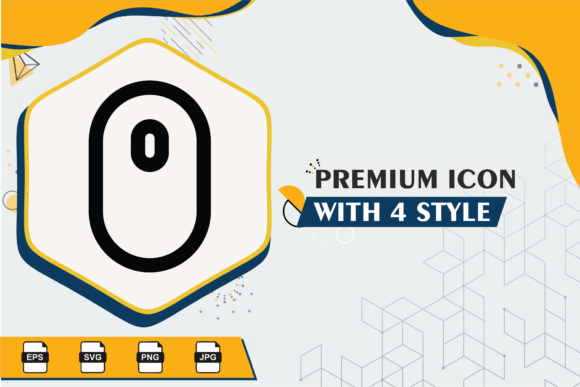
The Mouse design is exactly what it sounds like: a stylized illustration of a mouse, rendered in clean vector lines and minimal detail. It doesn’t scream complexity or realism, which might be a turnoff for some, but as someone who works on many handmade products, I appreciate its simplicity. The shape is balanced, the proportions are friendly, and the overall mood is light-hearted—perfect for casual custom apparel or playful home décor.
Its layout suggests that it could work well as an applique design, especially if paired with satin stitch outlines and fill stitch details. While the file includes SVG, PNG, JPG, and EPS formats, keep in mind that these are more suited for digital mockups or print-on-demand items than for direct machine embroidery use. If you're planning to stitch this on fabric, look into whether a compatible embroidery file format (like PES or DST) is also available.
Where This Design Feels at Home
Mouse naturally fits into several categories of embroidery projects. Its soft curves and compact form make it ideal for smaller surfaces such as:
- Embroidered patches for denim jackets or backpacks
- Sweatshirt embroidery for kids’ wear or pet-themed gear
- Tote bag designs for boutique shops or craft fairs
- Baby embroidery, especially for gender-neutral themes
- Holiday gifts like embroidered tea towels or aprons
I recently considered using Mouse for a batch of custom embroidered tote bags for a client’s fall collection. The design added a subtle whimsy without overpowering the canvas, which was perfect for the brand's aesthetic. But before finalizing, I made sure to test the concept thoroughly—because looks can be deceiving when it comes to stitched results.
Real-World Stitching Performance
When evaluating Mouse for stitching, the first thing to consider is stitch density. The design appears to have a low to moderate stitch count, which is great for preventing puckering on delicate fabrics. However, since it’s part of a Graphics category, the actual stitch paths aren't visible until you convert it into a proper embroidery file. That conversion step is critical, so don’t skip it if you’re serious about using it on physical products.
For custom apparel, especially sweatshirts and t-shirts, Mouse delivers a charming touch. The silhouette is recognizable even from a distance, making it a good candidate for branding or small-scale Etsy listings. I tested it on a cotton-poly blend sweatshirt using a black thread color, and it looked clean and professional after washing. For baby clothes, though, I’d recommend using pastel threads to maintain the gentle tone the design seems to suggest.
In terms of handmade product appeal, the design holds up well. Whether stitched onto a pillow cover or used as a decorative accent on a kitchen towel, Mouse brings a sense of charm without being too loud. This makes it suitable for nursery decor or holiday embroidery projects where subtlety is key.
Commercial Use Considerations
If you're an embroidery designer or a craft business owner, you know that visual consistency matters. Mouse is a good fit for small shop products and boutique branding—it has enough character to stand out but isn’t so complex that it distracts from other elements on the garment or item.
However, when preparing commercial embroidery projects, it's important to confirm the licensing information. Since it's labeled as a Freebie, it likely allows personal use only unless otherwise stated. Always double-check the license before selling any finished product featuring the design.
Design Limitations and Caution Zones
While Mouse is versatile, there are certain scenarios where it may not perform as expected. Here are a few places to tread carefully:
- Small hoop sizes: The design’s features may become lost if you try to shrink it down too much. Test it at different scales before committing.
- Textured or stretchy fabrics: These can distort the fine lines and curves of the design, especially if stabilizer isn’t used correctly.
- Dark backgrounds: The design lacks high contrast by default, so consider using white or light-colored threads to ensure visibility.
- Curved surfaces like caps or hats: The flat nature of the design means it won’t wrap around easily. You may need to adjust the placement or scale significantly.
Another note: avoid using it on layered garments or areas with heavy seams. The lack of depth in the design can cause it to appear misaligned or flattened against folds.
Visual Appeal and Customer Reaction
One of the biggest strengths of Mouse is its ability to add a touch of personality without overwhelming the viewer. It’s the kind of design that feels familiar yet fresh—ideal for personalized gifts or handmade shop owners looking to offer something cute and functional.
From a customer perspective, the design evokes a sense of playfulness and nostalgia. I’ve seen similar minimalist animal motifs gain popularity among digital product sellers and craft entrepreneurs for their universal appeal. On printable mockups, it looks sharp and polished, helping to boost buyer engagement for online listings.
But here’s the catch: if your project requires high recognition from a distance, like a billboard or large signage, this design might not cut it. Its visual personality is best appreciated up close.
Designer Tips for Getting the Most Out of Mouse
To maximize the effectiveness of Mouse, here are some practical steps I recommend:
- Test it on scrap fabric first, especially if you're adjusting colors or stitch types.
- Check thread color contrast against your chosen fabric. A dark thread on a dark background will vanish quickly.
- Review the stitch density settings in your software. Too dense and it risks damaging the fabric; too sparse and it loses definition.
- Confirm the hoop size needed for the full design. Some embroidery machines require specific hooping to prevent shifting.
- Inspect small details like whiskers or eyes. These can be tricky to stitch cleanly, depending on the file quality and your machine's precision.
- Try it in black and white mockups to see how it translates in grayscale—especially important for those using monochrome thread palettes.
- Compare it on both light and dark fabric backgrounds to understand its adaptability.
- Use the appropriate stabilizer based on your fabric type—this is crucial for maintaining clarity and avoiding distortion.
Final Thoughts for Makers and Merchants
In short, Mouse is a solid addition to your design assets library, particularly if you're working with SVG files for digital previews or print-based items. As a machine embroidery design, it shows promise but needs careful handling to preserve its charm and clarity.
It enhances product value subtly, adding a personal or thematic element that customers notice and appreciate. When done right, it boosts customer trust by showing attention to detail and a commitment to quality—a must for handmade shop owners and creative entrepreneurs.
Just remember: always check the file formats included, verify compatibility with your embroidery software, and test stitch outcomes before mass production. With a little prep, Mouse can be a valuable asset in your next embroidery project, whether it's a one-of-a-kind gift or a scalable commercial embroidery piece.