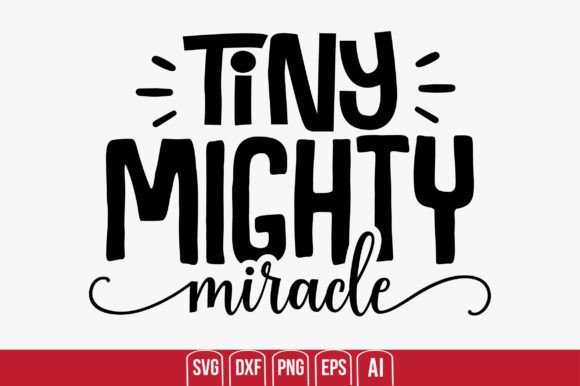
Tiny Mighty Miracle: A Versatile Graphic Design Asset for Crafts and Local Branding
As a brand designer who works closely with small businesses, I’m always on the lookout for design assets that bring personality, clarity, and visual impact to branding projects. When I first encountered Tiny Mighty Miracle, it immediately caught my eye—not just because of its name, but because of the way it visually communicates strength in simplicity. This graphic design asset is ideal for local businesses looking to elevate their product packaging, labels, promotional materials, and overall brand presentation with a touch of charm and craftsmanship.
A First Impression That Speaks Volumes
Tiny Mighty Miracle feels like the kind of design you’d expect from a boutique or artisanal brand—clean yet expressive, detailed without being overwhelming. The illustration style is soft and whimsical, suggesting a brand personality that’s friendly, creative, and slightly magical. It evokes a sense of handmade authenticity while maintaining a modern aesthetic. Depending on how it’s applied, this design can feel both playful and elegant, making it adaptable across a range of industries including food, beauty, home decor, and children's products.
I see this asset fitting well with brands that want to convey warmth and care, such as a local bakery, a handcrafted soap company, or a seasonal floral shop. Its subtle intricacy gives it a premium feel, while its accessibility ensures it won’t alienate casual customers. The key is to match its tone with your brand’s voice and target audience.
Real-World Applications for Small Business Branding
One of the most exciting things about Tiny Mighty Miracle is how easily it integrates into multiple design contexts. Here are some of the ways I’ve successfully imagined using it:
- Logo Accents: As a secondary icon or background element in a logo system, especially if the main logo is minimalist or wordmark-based.
- Product Labels: Perfect for adding decorative touches to homemade jam jars, candle boxes, or gourmet coffee bags.
- Packaging Design: Use it as an accent on gift tags, wrapping paper, or as part of a layered design on a box or pouch.
- Social Media Graphics: Ideal for hero images, Instagram posts, or Facebook banners when paired with clean typography and brand colors.
- Printable Inserts: Add a personal touch to thank-you cards, loyalty cards, or informational inserts within product packaging.
- Hang Tags and Stickers: Works beautifully as a branded sticker for shipping packages or as a hang tag for boutique clothing or accessories.
- Menu Graphics: Can serve as a border or header image for printed or digital menus at a café or dessert bar.
- Website Banners: Use it to create a cohesive look between online and physical branding, especially for e-commerce sites selling crafts or handmade goods.
The versatility of this graphic makes it a strong contender for small business branding that needs to be consistent across channels without feeling repetitive or overused.
Boosting Brand Presentation with Tiny Mighty Miracle
Incorporating Tiny Mighty Miracle into a brand identity toolkit offers more than just visual appeal—it enhances the entire customer experience. Here’s how:
- Stronger First Impressions: The design adds a layer of attention to detail that speaks volumes about the quality and care behind your product.
- Better Product Recognition: Consistent use of the same motif across packaging and marketing builds familiarity and reinforces your brand in the marketplace.
- Clearer Visual Hierarchy: When used as a background or framing element, it helps guide the viewer’s eye toward key messages or product names.
- More Consistent Brand Identity: Repeating the design in different formats (SVG, PNG, EPS) allows for seamless integration across print and digital platforms.
- Improved Customer Trust: A polished, professional look contributes to perceived credibility, especially for new or local businesses.
- Better Shelf Appeal: In crowded markets, even a small graphic like this can make your product stand out and appear more inviting.
- Stronger Emotional Connection: The gentle, organic lines and soft curves suggest warmth and approachability, helping consumers connect with your brand on a personal level.
For example, a handmade soap brand could use this design subtly in the corner of a label to signal that each product is crafted with love and intention. Similarly, a children’s toy store might feature it in a larger format on promotional posters to evoke a sense of wonder and creativity.
Where Tiny Mighty Miracle Shines Brightest
This graphic excels in several specific design applications:
- Hero Graphics: On large displays or signage where the design can breathe and become a central visual anchor.
- Decorative Brand Elements: For adding texture and interest to otherwise plain packaging or labels.
- Promotional Banners: Especially for seasonal campaigns or pop-up events, where the graphic adds a festive and memorable flair.
- Seasonal Packaging: Whether it’s for holidays, birthdays, or special collections, this design can adapt and enhance the occasion.
- Boutique Visuals: It fits perfectly in the context of a curated, artisanal environment—think greeting cards, fabric patterns, or wall art.
- Editorial and Web Design: When used sparingly in blog headers, email templates, or landing pages, it brings a humanized edge to digital branding.
Its compatibility with tools like Cricut means you can also leverage it in physical craft projects, such as custom stickers for a florist’s delivery boxes or a candle brand’s sample kits. This flexibility is a huge plus for crafts and graphics that need to transition smoothly from screen to scissors.
Design Considerations and Best Practices
While Tiny Mighty Miracle is incredibly versatile, there are certain scenarios where it may not perform optimally. To ensure it complements rather than competes with your message, consider the following:
- Formal Corporate Branding: The design leans towards the whimsical, which may clash with a serious or traditional brand tone.
- Very Small Labels: Due to its intricate details, it may lose clarity when scaled down too much.
- Crowded Product Packaging: If your layout already includes a lot of text or graphics, this design might get lost or overwhelm the reader.
- Ingredient-Heavy Layouts: Avoid placing it over areas with nutritional info, legal disclaimers, or ingredient lists where readability is crucial.
- Low-Contrast Backgrounds: Test it on various color schemes to ensure legibility and visibility.
- Luxury Minimalist Brands: While beautiful, it may not align with ultra-clean aesthetics unless intentionally used as a contrast.
When working with any design asset, especially for commercial design purposes, it’s essential to test its performance in real-world conditions. Try applying it to a product mockup before finalizing your packaging design. Check how it looks in black and white for print consistency. Preview it beside different font styles—serif, sans serif, script, handwritten, and display—to find the best pairing for your brand voice.
Practical Brand Designer Notes
Here are a few tips I always follow when integrating a design like Tiny Mighty Miracle into a project:
- Test on Real Packaging Mockups: Before printing, apply the graphic to a realistic mockup to assess scale and placement.
- Check Black and White Usage: Ensure it still holds up in grayscale, particularly for eco-friendly or cost-effective prints.
- Preview on Small Labels: See if it maintains clarity and purpose when reduced in size.
- Test with Your Brand Colors: Import it into your existing palette to verify that it enhances rather than distracts.
- Compare with Competitor Packaging: Evaluate whether it helps your brand differentiate itself effectively.
- Review Print Quality: Confirm that all file types render crisply, especially SVG and EPS for scalability.
- Inspect PNG Transparency: Make sure it overlays correctly on other backgrounds or textures.
- Confirm Commercial Licensing: Always double-check that the design is permitted for commercial use, especially when designing for clients or retail sales.
By taking these steps, you’ll avoid potential pitfalls and ensure that Tiny Mighty Miracle becomes a true asset in your brand identity and not just another decoration.
Why Choose Tiny Mighty Miracle for Your Brand?
There’s a reason why so many designers turn to high-quality graphic design assets like this one. Tiny Mighty Miracle doesn’t just fill space—it tells a story. And in today’s competitive market, every detail counts. From product labels to social media content, this design supports a stronger, more cohesive brand presence.
It’s particularly valuable for local businesses aiming to create a warm, personalized connection with their community. Whether you’re designing for a home decor shop, a food label, or a creative entrepreneur launching a new line, having access to a design that feels both modern and handcrafted is a rare treat.
With five different file formats—including SVG, PNG, EPS, DXF, and JPEG—you can edit, resize, and repurpose the design with confidence. This is the kind of digital product that empowers small businesses to produce professional branding without the overhead of hiring a full-time illustrator.
Final Thoughts for Brand Owners and Designers
Tiny Mighty Miracle isn’t just a clipart-style graphic; it’s a carefully considered branding tool that can elevate everything from your packaging to your web banners. It has the right balance of detail and subtlety to work in a variety of contexts, especially where a handmade business or local brand wants to express care and creativity through visuals.
If you're looking for a design asset that bridges the gap between artistic expression and practical application, Tiny Mighty Miracle is worth considering. Just remember to use it thoughtfully—its magic lies in its ability to support your brand without overshadowing it.